
Last week, during the 12th Malaysian Plan mid-term review, many ideas have been proposed, including the need to remove subsidies for the wealthy and possibly reintroducing Goods and Services Tax (GST).
Malaysia Economy Minister, Rafizi Ramli, shared with the press that the government is not ruling out the idea of possibly bringing back GST. While it is being considered, he also confirmed that there have been push-backs from all parties within the unity government and from stakeholders.
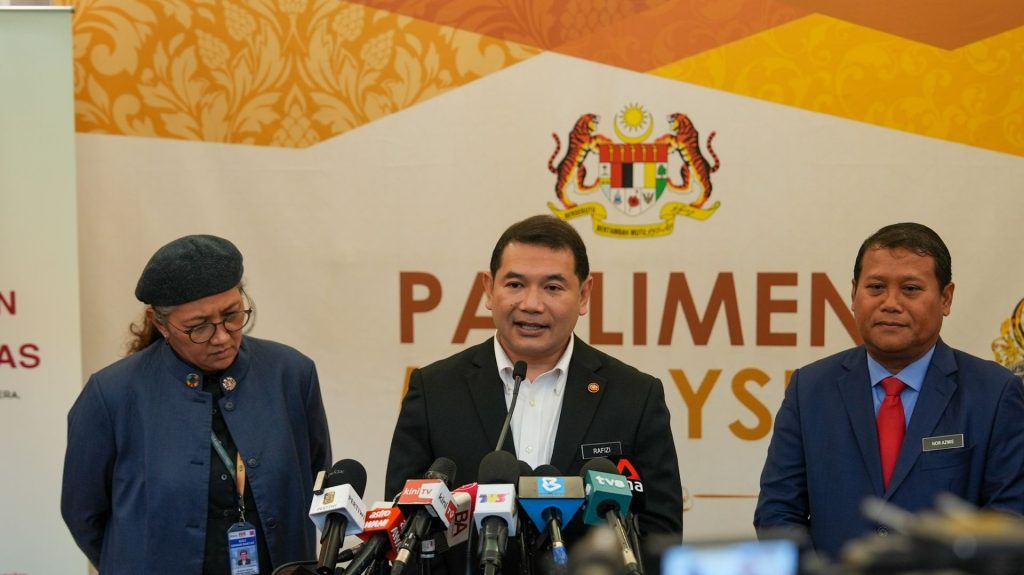
For now, the main priorities will be on developing and executing strategies that can widen Malaysia’s revenue base. These include focusing on re-developing and rolling out the Capital Gains Tax and implementing plans that can help achieve fiscal sustainability.
“Whether it is going to be GST, Capital Gains Tax, or any (other) form of direct and indirect taxes, it will only be decided on a case-to-case or year-to-year basis,” Rafizi said.
As for Malaysia Prime Minister Anwar Ibrahim, he shared separately how it really depends on the threshold level that Malaysia’s economy can manage. “When do we implement it? When people are living in abject poverty, you have to introduce progressive tax policies and not broad-based ones that affect the very poor.”
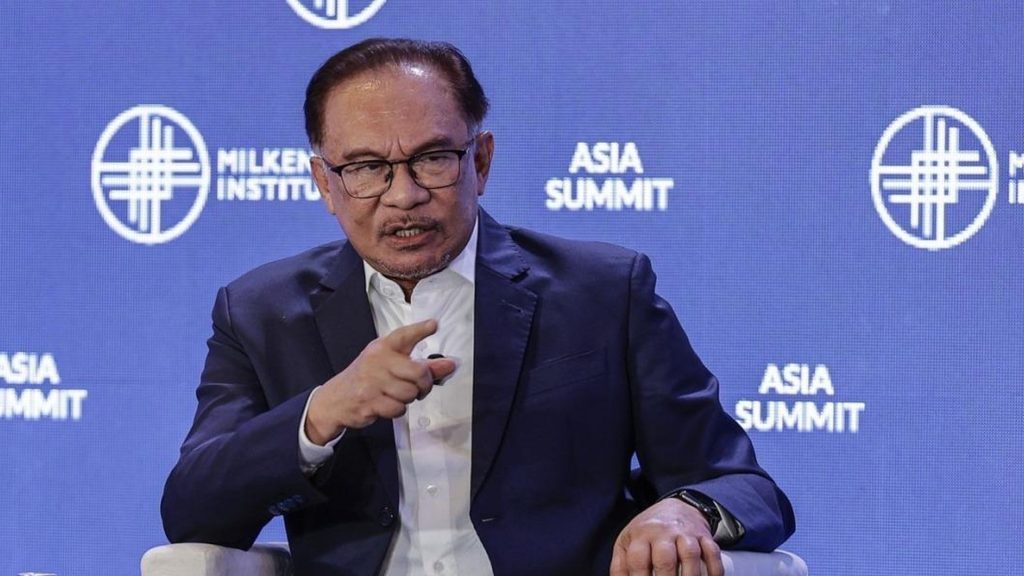
“While the tax base must be broadened eventually, but let’s first reduce the subsidies for the rich,” he said.
Anwar shared these points and more during an interview with Bloomberg at the 10th Annual Asia Summit of the Milken Institute.
It is at this platform that he acknowledged how the GST is the most efficient and transparent tax system. However, he believes that other options to consider, such as rationalising subsidies and putting in place revenue generating measures that will help streamline government coffers.
It is interesting that Anwar also knows that subsidy rationalisation is not a popular decision among Malaysians but it has to be implemented to ensure there are reducations and cost-savings. This is to address the fact that Malaysia’s subsidy expenses are among the highest in Asia, a point he wants to address and manage.