
While the global economy shows continuous resiliency as economists around the world predict of an oncoming recession, regional markets are readying themselves for any potential disruption — case in point, China had assured Southeast Asian neighbours that it will increase imports from trading partners.
The global economic powerhouse shared these remarks at a recent business-focused China-ASEAN forum that took place at Nanning.
“China is ready to import more competitive and distinctive products from ASEAN countries,” said China Premier Li Qiang during his keynote address.
Ever since tensions between the US and China have risen, which strained economic and diplomatic relations considerably, the Southeast Asian block took up the role of being China’s largest trading partner. This saw a boost in trade between China and the 10-member bloc, with exports to China going up and many Southeast Asian countries encouraging their growing tech sectors to work closely with their Chinese counterparts.
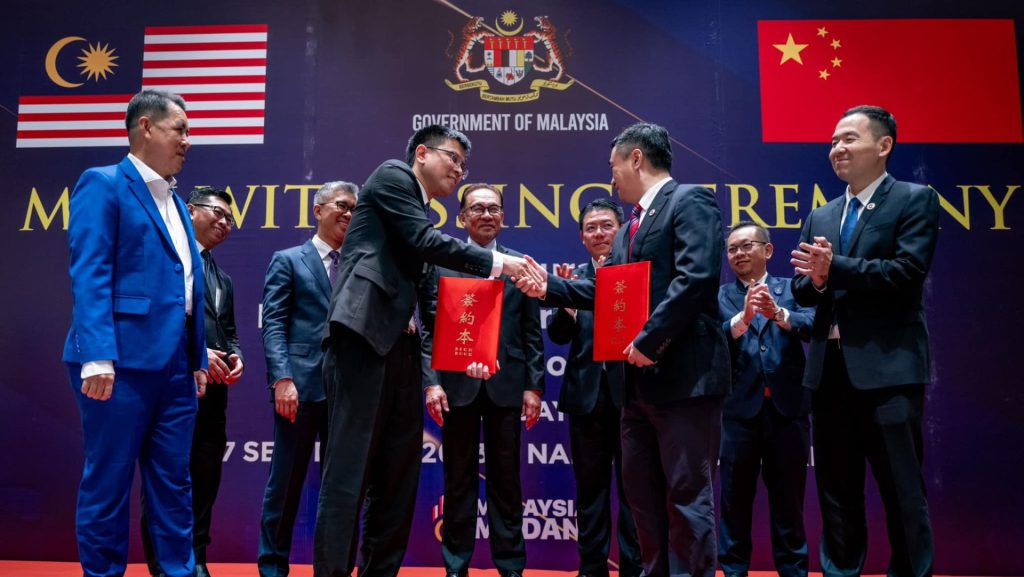
This is very much in line with what Malaysia Prime Minister Anwar Ibrahim shared recently on why Malaysia had to reinforce its position in the global supply chain.
Right now, Malaysia is laser-focused on reinforcing its position in the global supply chain and being a transformative force for the electronics manufacturing sector and its own digital economy. In fact, both are growth pillars for its recently unveiled New Industrial Master Plan 2030.
As is, in reflecting the push for increased trade from China with its neighbours, various industries have already moved to work closely with their Southeast Asian counterparts.
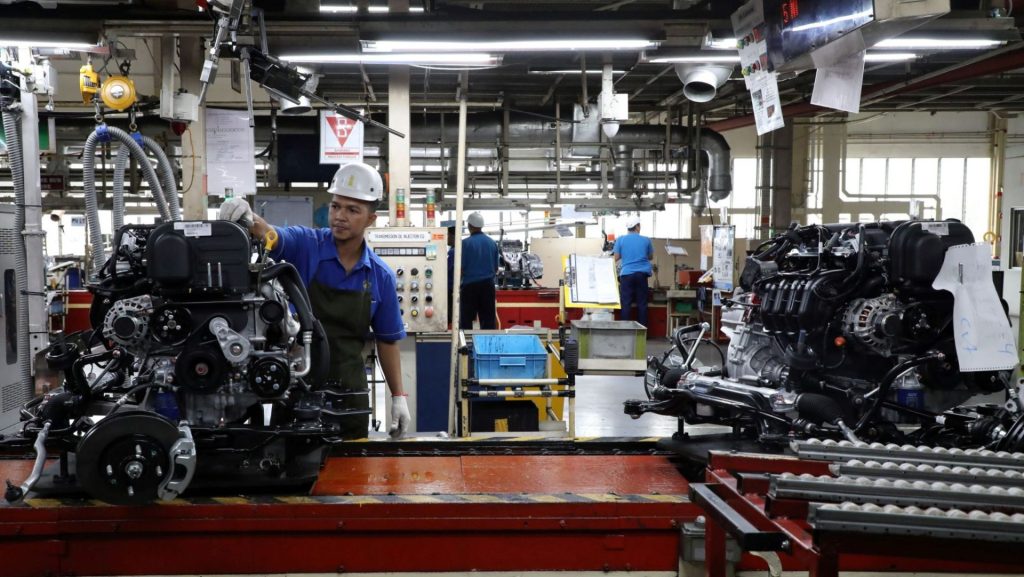
“We hope to trade more with Southeast Asia as domestic markets become sluggish. Even doing business with customers in the US and EU have slowed due to geopolitics,” said one of the leadership for Guangxi Pinglu — an aluminum manufacturer from Nanning,
Even with these remarks, trade relations between China and ASEAN are still unbalanced as merchants from the latter are promoting raw materials, food, and ready-to-make/eat/use products. The former, meanwhile, had heavy machinery, electric vehicles (EVs), and other high-tech systems at its trade showcase.
Notably, EVs from China — specifically automobiles — have outsold their direct competitors in Japan and Korea for Q1 2023. This is reflective of the higher demand for Chinese EVs as various brands are seeing high volume of sales across Southeast Asia.
It is clear how trading between China and ASEAN is growing at a rapid pace. As is, Southeast Asia nations continue to grow into a transformative force for various growth sectors of the global economy, including manufacturing, on-demand service, logistics, electronics, eCommerce, and the Gig Economy.